









Municipalities do not always need to replace their entire traffic infrastructure to benefit from smart traffic technologies. In many cases, intelligent systems can be introduced gradually by upgrading existing traffic signals, controllers, sensors, communication networks, and monitoring platforms. A phased approach can reduce disruption, control investment costs, and allow cities to modernize their transportation networks according to their specific needs.
Planning a Smart Infrastructure Upgrade
The integration process should begin with an assessment of existing equipment, communication infrastructure, intersection performance, and traffic patterns. Municipalities can then identify which components can be upgraded and which require replacement.
Smart traffic controllers can often be integrated with existing signal systems, while new sensors and communication technologies can provide real-time traffic information. Centralized monitoring platforms can connect multiple intersections and provide operators with better control over traffic operations.
Compatibility, scalability, cybersecurity, maintenance requirements, and applicable technical standards should also be considered. A phased implementation allows municipalities to test new technologies at selected intersections before expanding them across a wider network.
Why Choose Asya Trafik?
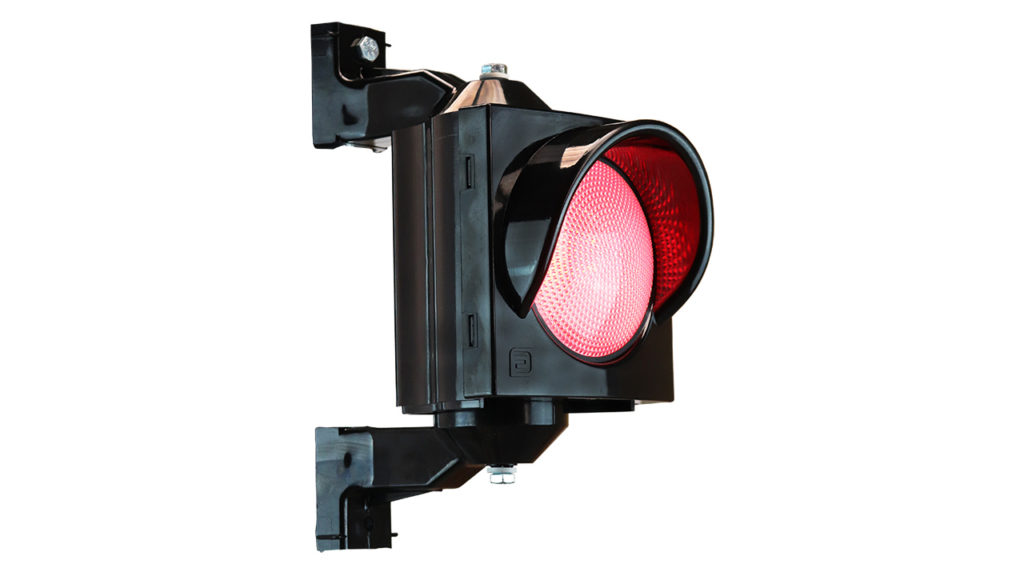
Asya Trafik provides smart traffic solutions designed to support the modernization of existing transportation infrastructure. Its portfolio includes intelligent traffic controllers, LED traffic signals, pedestrian signal systems, lane control systems, solar-powered traffic equipment, and other traffic management technologies.
With manufacturing and engineering expertise, Asya Trafik can support municipalities throughout planning, system selection, installation, and commissioning. Technical consultancy, spare parts, and after-sales support further help ensure reliable long-term operation.
Frequently Asked Questions
1. Can smart traffic systems be integrated with existing traffic lights?
Yes. Depending on the infrastructure, intelligent controllers, sensors, and communication technologies can often be integrated with existing signal systems.
2. Should municipalities upgrade everything at once?
Not necessarily. A phased approach can reduce disruption and allow municipalities to evaluate performance before expanding the system.
3. Why is system compatibility important?
Compatible technologies allow existing and new equipment to communicate effectively, reducing integration problems and supporting future expansion.