








When investing in traffic signal infrastructure, local governments must consider more than the initial purchase price. Traffic signal systems are long-term assets that require ongoing maintenance, technical support, and readily available replacement parts to ensure continuous operation. Comparing providers based on their long-term service capabilities helps municipalities reduce downtime, protect public safety, and maximize the return on their infrastructure investment.
Evaluate the Provider’s After-Sales Support
Reliable after-sales service is one of the most important factors when selecting a traffic signal systems provider. Municipalities should assess how the supplier supports customers after installation and whether technical assistance is available throughout the system’s lifecycle.
Key aspects to evaluate include:
- Technical support response times
- Remote and on-site troubleshooting
- Preventive maintenance programs
- System inspections and diagnostics
- Operator and maintenance staff training
- Software and firmware updates
- Warranty coverage and service conditions
A provider with a structured support program helps ensure that traffic signal systems remain operational with minimal disruption.
Assess Spare Parts Availability
Traffic signals operate continuously in outdoor environments, making occasional component replacement inevitable. Delays in obtaining spare parts can lead to prolonged equipment outages and increased maintenance costs.
Municipalities should ask providers about:
- Availability of genuine replacement parts
- Local or regional spare parts inventory
- Delivery lead times
- Availability of discontinued component replacements
- Compatibility of parts with future system upgrades
- Long-term product support commitments
Choosing a provider with a reliable spare parts supply chain helps minimize downtime and extends the operational life of the traffic signal system.
Review Product Reliability and Lifecycle
High-quality products reduce the frequency of repairs and replacement. When comparing providers, local governments should consider:
- Expected product lifespan
- LED module durability
- Weather and corrosion resistance
- Energy efficiency
- Maintenance requirements
- Compliance with national and international standards
- Results of quality testing and certification
Systems designed for long-term reliability often deliver lower total ownership costs over their operational lifetime.
Consider Technical Expertise and Engineering Support
Traffic signal projects frequently require customization and integration with existing transportation infrastructure. Providers should demonstrate strong engineering capabilities by offering:
- Traffic engineering consultation
- System design assistance
- Integration with traffic management centers
- Adaptive signal control solutions
- Installation supervision
- Commissioning support
- Documentation and technical manuals
Experienced engineering teams help municipalities implement systems that can adapt to future transportation needs.
Compare Long-Term Value Rather Than Initial Cost
The lowest bid may not provide the best long-term value. Municipalities should evaluate the total cost of ownership, including:
- Initial equipment cost
- Installation expenses
- Energy consumption
- Maintenance costs
- Spare parts pricing
- Software licensing
- Future expansion capability
- Expected service life
A slightly higher initial investment in a reliable system often results in lower operational costs over many years.
Why Asya Trafik Is a Trusted Long-Term Partner
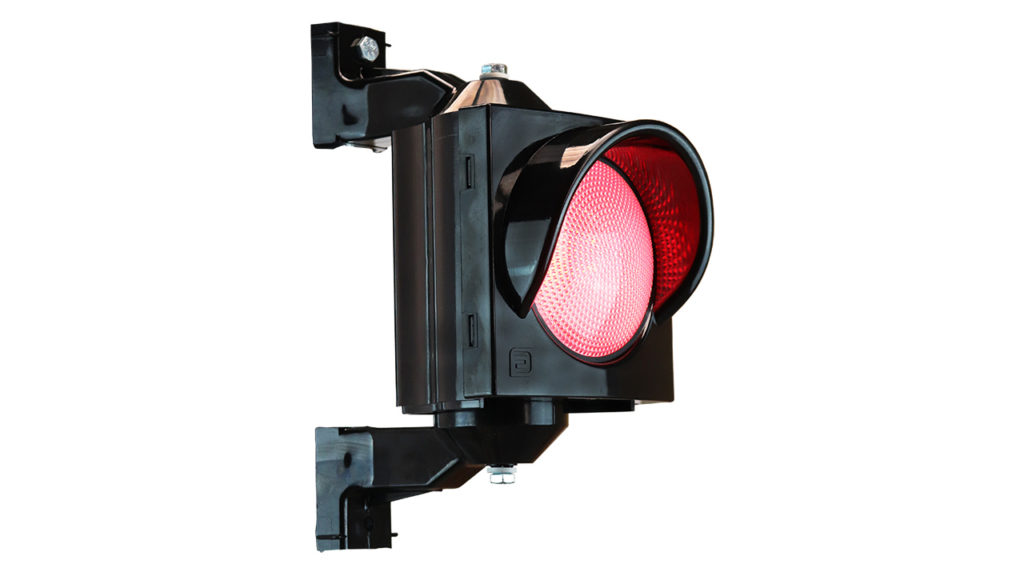
For municipalities seeking dependable traffic signal systems with comprehensive long-term support, Asya Trafik offers a complete solution that extends well beyond product delivery. The company manufactures high-quality LED traffic signals, pedestrian signaling systems, adaptive traffic controllers, lane control systems, solar-powered warning equipment, and intelligent traffic management solutions designed for long-term reliability.
Asya Trafik supports customers throughout the entire lifecycle of their projects by providing engineering consultation, installation guidance, commissioning assistance, preventive maintenance recommendations, technical training, and responsive after-sales support. The company also maintains the availability of genuine spare parts, helping municipalities perform repairs quickly and maintain uninterrupted traffic operations.
With a focus on quality manufacturing, durable components, and customer satisfaction, Asya Trafik helps local governments reduce maintenance challenges while extending the lifespan of their traffic management infrastructure.
Making the Right Provider Comparison
When comparing traffic signal systems providers, municipalities should prioritize long-term performance over short-term savings. The ideal partner should demonstrate:
- Proven industry experience
- Reliable after-sales support
- Fast access to spare parts
- High-quality, durable products
- Strong engineering expertise
- Scalable system architecture
- Transparent warranty and maintenance services
By evaluating providers against these criteria, local governments can select a supplier capable of supporting safe, efficient, and reliable traffic operations for many years. Asya Trafik’s combination of advanced manufacturing, technical expertise, and dedicated customer support makes it a dependable choice for municipalities planning long-term investments in traffic signal infrastructure.