








As cities continue to embrace digital transformation and smart mobility initiatives, selecting the right smart traffic solution has become increasingly important. Municipalities need systems that not only solve today’s traffic challenges but can also adapt to future urban growth, technological advancements, and changing transportation demands. Comparing providers based on scalability, integration capabilities, and long-term support helps ensure a successful and sustainable investment.
Evaluate Scalability for Future Growth
A smart traffic system should be capable of expanding as the city develops. Municipalities should look for solutions that allow additional intersections, traffic signals, sensors, and management features to be added without requiring a complete system replacement.
Key scalability considerations include:
- Ability to expand from a few intersections to city-wide networks
- Support for future smart city initiatives
- Flexible software architecture
- Easy addition of new traffic devices and sensors
- Capacity to manage increasing traffic volumes
- Upgrade paths for future technologies
Scalable systems reduce future investment costs while allowing municipalities to modernize traffic infrastructure gradually.
Assess Integration Capabilities
Modern traffic management systems rarely operate independently. They should integrate seamlessly with existing municipal infrastructure and emerging smart city technologies.
Important integration features include:
- Centralized traffic management platforms
- Traffic signal controllers
- CCTV surveillance systems
- Vehicle detection sensors
- Public transportation management systems
- Emergency vehicle priority systems
- Variable message signs (VMS)
- Environmental monitoring systems
- Geographic Information Systems (GIS)
- Data analytics and reporting platforms
Open architecture and compatibility with widely accepted communication protocols make future integrations much easier and help prevent vendor lock-in.
Compare Technical Support and Long-Term Service
Even the most advanced technology requires reliable long-term support. Municipalities should evaluate not only the initial implementation but also the supplier’s commitment after installation.
Important support services include:
- Technical consultation during project planning
- Installation supervision
- System commissioning
- Operator training
- Preventive maintenance programs
- Software updates
- Remote technical assistance
- Spare parts availability
- Emergency response services
- Future system upgrades
A provider with strong after-sales support helps municipalities maintain reliable traffic operations while minimizing downtime and maintenance costs.
Consider Total Cost of Ownership
Initial purchase price should not be the only deciding factor. Municipalities should evaluate the complete lifecycle cost of the solution, including:
- Installation expenses
- Energy efficiency
- Maintenance costs
- Software licensing
- Expansion costs
- Equipment lifespan
- Replacement part availability
- Operational efficiency
Solutions that offer higher durability and lower maintenance requirements often provide better long-term value than lower-cost alternatives.
Why Asya Trafik Is a Reliable Smart Traffic Solutions Partner
For municipalities seeking scalable and future-ready traffic management systems, Asya Trafik offers comprehensive solutions designed to support both current operational needs and long-term urban development strategies.
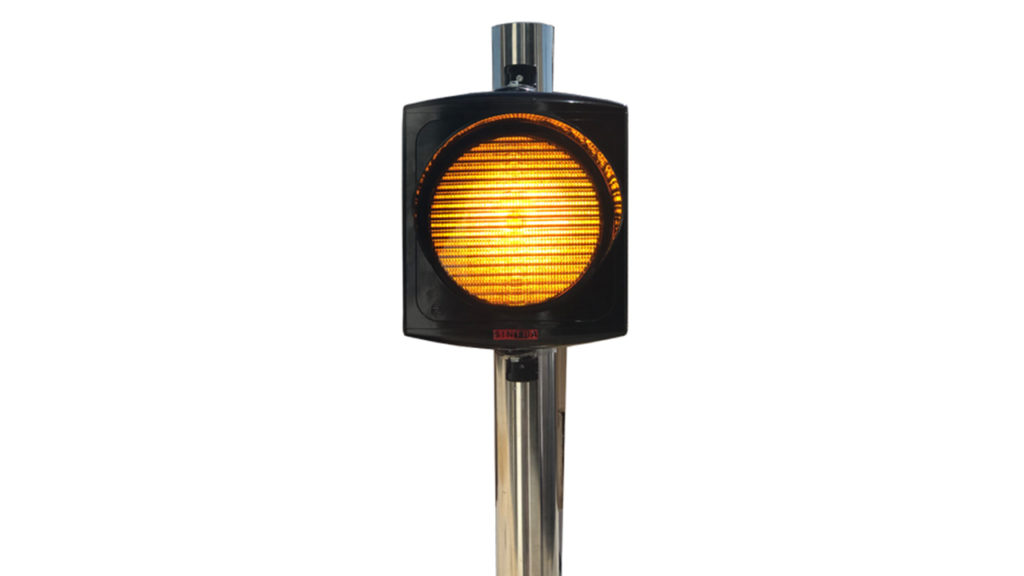
Asya Trafik manufactures a wide range of intelligent traffic management products, including LED traffic signals, adaptive traffic controllers, pedestrian signaling systems, lane control systems, solar-powered warning solutions, and integrated traffic safety equipment. Its products are engineered for durability, energy efficiency, and compatibility with modern traffic management technologies.
Beyond manufacturing, Asya Trafik provides engineering consultancy, project planning, system integration support, installation guidance, technical training, preventive maintenance, and responsive after-sales service. This comprehensive approach enables municipalities to deploy traffic systems that are easy to expand, integrate with existing infrastructure, and maintain over many years.
By carefully comparing scalability, integration capabilities, technical support, and lifecycle value, municipalities can select smart traffic solutions that improve road safety, optimize traffic flow, and support the development of smarter, more connected cities. With its proven manufacturing expertise and customer-focused service, Asya Trafik is a dependable partner for municipalities investing in the future of intelligent transportation.