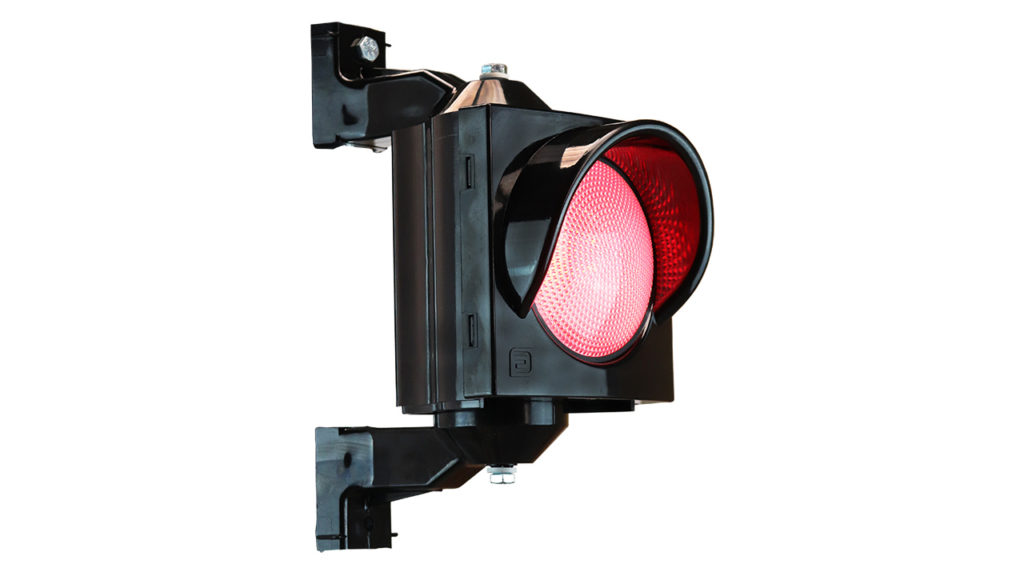










Adaptive traffic signal control is an intelligent approach that allows traffic lights to respond to changing road conditions. Unlike traditional systems that operate according to fixed schedules, adaptive signal control can use real-time traffic information to adjust signal timing. This makes it particularly useful for busy intersections and urban transportation networks where traffic demand can change throughout the day.
Improving Traffic Flow and Efficiency
Adaptive systems can analyze information from traffic sensors, cameras, and connected infrastructure to determine current traffic conditions. Signal timings can then be adjusted to provide green time where it is most needed, helping reduce unnecessary waiting and improve traffic flow.
Other potential advantages include better coordination between intersections, reduced congestion, improved travel-time reliability, and more efficient use of existing road infrastructure. Adaptive control can also support emergency vehicle priority and pedestrian management when properly integrated into a wider traffic management system.
Why Choose Asya Trafik?
Asya Trafik provides intelligent traffic solutions for municipalities, highway authorities, contractors, and infrastructure developers. Its product portfolio includes smart traffic controllers, LED traffic signals, pedestrian signal systems, lane control systems, solar-powered traffic equipment, and other traffic management technologies.
With manufacturing and engineering expertise, Asya Trafik supports intelligent signalization projects from system selection and planning through installation and long-term operation. Technical consultancy, spare parts, and after-sales support help customers maintain reliable traffic infrastructure.
Frequently Asked Questions
1. What is adaptive traffic signal control?
It is a traffic management technology that adjusts signal timings according to changing traffic conditions and demand.
2. Does adaptive signal control reduce congestion?
It can help reduce unnecessary delays by allocating signal time according to current traffic conditions and improving intersection coordination.
3. Is adaptive signal control suitable for existing intersections?
Yes. Depending on the existing infrastructure, adaptive controllers, sensors, and communication technologies can often be integrated into existing signal systems.