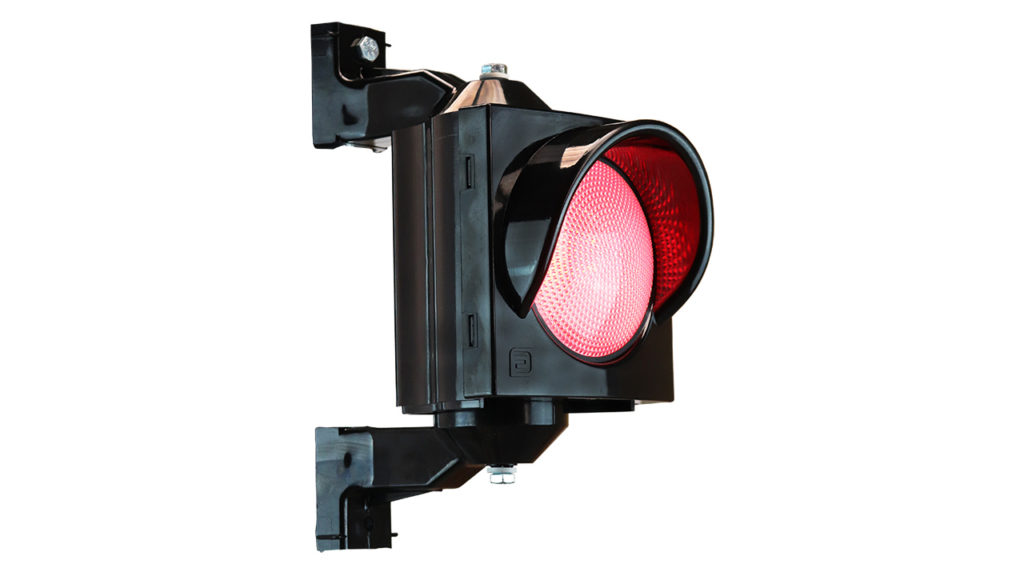









Solar traffic signs are increasingly used on intercity roads to improve driver awareness, enhance road safety, and reduce infrastructure costs. Because these roads often pass through remote areas with limited access to electrical power, solar-powered warning systems provide an efficient and sustainable alternative to conventional wired installations. However, before selecting a product, highway authorities and contractors should evaluate several critical performance criteria to ensure reliable operation under demanding conditions.
Visibility and LED Performance
The primary function of a solar traffic sign is to communicate important information clearly and consistently. High visibility is essential, particularly on intercity roads where vehicles travel at higher speeds and drivers require longer reaction times.
Key visibility criteria include:
- High-brightness LED modules
- Uniform light distribution across the sign
- Wide viewing angles
- Excellent daytime and nighttime visibility
- Automatic brightness adjustment based on ambient light
- Effective performance in rain, fog, snow, and dust
Advanced LED technology helps ensure that warning messages remain visible from a safe distance in all driving conditions.
Solar Power Efficiency
The reliability of a solar traffic sign depends heavily on its energy system. Since intercity roads may have limited maintenance access, the solar power unit should provide uninterrupted operation throughout the year.
Important considerations include:
- High-efficiency photovoltaic panels
- Sufficient battery capacity
- Intelligent charge controllers
- Low power consumption
- Long battery service life
- Continuous operation during extended cloudy periods
- Efficient energy management
A well-designed solar power system minimizes maintenance while ensuring dependable performance.
Environmental Durability
Solar traffic signs installed on intercity roads must withstand harsh environmental conditions over many years.
Products should offer:
- Waterproof and dustproof enclosures
- UV-resistant materials
- Corrosion-resistant construction
- Wind-resistant structural design
- Impact-resistant housing
- Reliable operation in extreme temperatures
Durable construction reduces maintenance requirements and extends the operational lifespan of the equipment.
Reliability and Maintenance
Traffic safety equipment should operate continuously with minimal intervention.
Transportation agencies should evaluate:
- Expected operational lifespan
- LED lifetime
- Battery replacement intervals
- Preventive maintenance requirements
- Ease of servicing
- Availability of replacement components
- System monitoring capabilities
Low-maintenance systems help reduce operational costs while improving road safety.
Compliance with Safety Standards
Solar traffic signs should comply with the applicable national and international traffic safety regulations and quality requirements.
Authorities should verify:
- Compliance with road authority specifications
- Certified manufacturing processes
- Performance testing documentation
- Electrical safety features
- Appropriate traffic sign dimensions and visibility standards
Compliance ensures consistent performance and supports regulatory approval.
Installation Flexibility
Intercity road projects often require rapid deployment in remote locations.
Important installation features include:
- Lightweight design
- Pole-mounted compatibility
- Modular construction
- Minimal foundation requirements
- Easy transportation
- Quick installation procedures
Fast installation reduces construction time and minimizes disruptions to traffic.
Manufacturer Support
Long-term manufacturer support is an important part of overall system performance.
A reliable supplier should provide:
- Engineering consultation
- Project planning assistance
- Installation guidance
- Technical documentation
- Warranty services
- Spare parts availability
- Responsive after-sales support
Strong technical support helps agencies maintain reliable traffic operations throughout the product lifecycle.
Why Asya Trafik Is a Reliable Choice
For highway authorities, municipalities, and infrastructure contractors seeking dependable solar traffic signs, Asya Trafik offers advanced solar-powered traffic safety solutions designed for long-term performance on intercity roads.
The company manufactures solar warning signs, LED traffic signals, lane control systems, Variable Message Signs (VMS), flashing warning systems, and intelligent traffic management equipment using high-quality materials and advanced production technologies. Its solar traffic signs are engineered to deliver excellent visibility, efficient energy management, and reliable operation under demanding environmental conditions.
In addition to manufacturing, Asya Trafik provides engineering consultancy, project planning, installation guidance, technical support, spare parts supply, and comprehensive after-sales service. This integrated approach enables customers to implement durable, energy-efficient traffic safety systems that support safer and more efficient transportation networks.
Final Thoughts
When evaluating solar traffic signs for intercity roads, decision-makers should consider the complete performance of the system rather than focusing on initial purchase cost. The most important criteria include:
- Superior LED visibility
- Efficient solar power performance
- Long-term durability
- Low maintenance requirements
- Compliance with safety standards
- Easy installation
- Reliable manufacturer support
By selecting products that meet these requirements, transportation agencies can improve road safety, reduce operating costs, and ensure dependable performance for many years. With its expertise in intelligent traffic solutions and high-quality manufacturing, Asya Trafik is a trusted partner for solar-powered traffic safety projects.