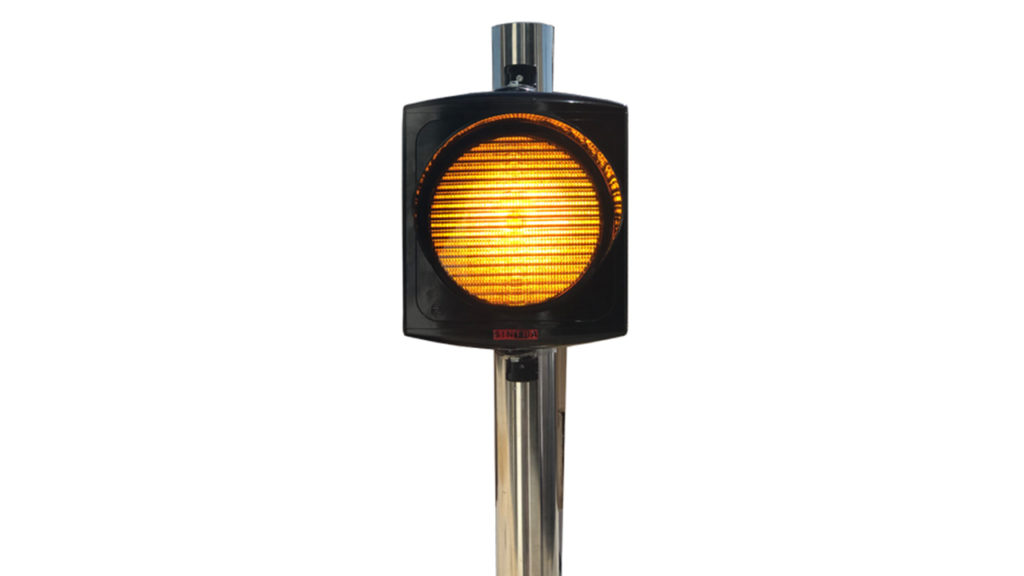









Urban traffic signal systems operate continuously and play a critical role in road safety, congestion management, and emergency vehicle movement. Because even a single malfunctioning intersection can disrupt traffic and increase accident risks, municipalities should establish clear maintenance response expectations when selecting a traffic signal systems provider. While response times vary depending on the severity of the issue and service agreement, defining realistic service levels helps ensure reliable network performance.
Emergency Response
Critical failures that affect road safety require immediate attention. These typically include complete signal outages, conflicting signal indications, or controller failures that leave intersections unsafe.
A reasonable response target is:
- Initial technical response: Within 1 hour
- On-site technician arrival: Within 2–4 hours (depending on location and contract)
- Temporary safety measures: As quickly as possible if immediate repair is not feasible
Rapid intervention helps minimize safety risks and traffic disruption.
High-Priority Faults
Some issues do not completely disable an intersection but still affect traffic operations. Examples include malfunctioning pedestrian signals, flashing modes, communication failures, or partial LED outages.
Typical service expectations include:
- Initial assessment within 2–4 hours
- On-site inspection within the same working day
- Repair or temporary restoration within 24 hours whenever possible
Routine Maintenance Requests
Preventive maintenance and non-critical repairs should also be handled within clearly defined timeframes to avoid larger problems later.
Reasonable targets include:
- Service scheduling within 2–5 business days
- Completion of routine inspections according to a preventive maintenance plan
- Replacement of worn components during scheduled maintenance visits
Regular maintenance reduces unexpected failures and extends equipment life.
Spare Parts Availability
Fast response depends not only on technician availability but also on access to replacement parts.
Municipalities should ensure the provider maintains:
- Stock of commonly used LED modules
- Traffic controller components
- Signal heads and lenses
- Power supply units
- Communication modules
- Mounting hardware and accessories
Quick access to genuine spare parts significantly shortens repair times.
Remote Monitoring and Diagnostics
Modern traffic signal systems increasingly include remote monitoring capabilities that allow technicians to identify faults before visiting the site.
Benefits include:
- Faster fault diagnosis
- Reduced downtime
- More efficient technician dispatch
- Predictive maintenance
- Improved system reliability
- Better maintenance reporting
Remote diagnostics often reduce repair times because technicians arrive with the correct replacement components.
Service Level Agreements (SLAs)
Municipalities should define response expectations within a formal Service Level Agreement (SLA). An effective SLA should specify:
- Emergency response times
- Priority classifications
- Maximum repair times
- Preventive maintenance schedules
- Technical support availability
- Spare parts commitments
- Reporting and performance metrics
Clear SLAs help ensure consistent service throughout the contract period.
Why Asya Trafik Is a Reliable Long-Term Partner?
For municipalities seeking dependable traffic signal systems backed by responsive maintenance services, Asya Trafik offers comprehensive lifecycle support. The company manufactures LED traffic signals, pedestrian signaling systems, adaptive traffic controllers, lane control systems, Variable Message Signs (VMS), solar-powered warning systems, and intelligent traffic management solutions designed for reliable long-term operation.
Conclusion
Reasonable maintenance response times for urban traffic signal systems should reflect the seriousness of each issue:
- Emergency failures: Initial response within 1 hour and on-site support within 2–4 hours where practical
- High-priority faults: Assessment within a few hours and repair within 24 hours whenever possible
- Routine maintenance: Scheduled within a few business days as part of a preventive maintenance program
Combined with remote monitoring, reliable spare parts availability, and clearly defined service agreements, these response targets help municipalities maintain safe, efficient, and dependable traffic networks. By partnering with an experienced provider such as Asya Trafik, cities can benefit from high-quality traffic signal systems supported by responsive technical service and long-term operational expertise.