








Investing in a traffic signal system is a long-term commitment for any municipality. While product quality and installation are important, the value of a traffic management system largely depends on the level of after-sales service provided by the manufacturer. Reliable technical support, preventive maintenance, and readily available spare parts help ensure uninterrupted traffic operations, improve road safety, and reduce the total cost of ownership throughout the system’s lifecycle.
Technical Support and Troubleshooting
A professional traffic signal systems provider should offer ongoing technical support after installation. Municipalities should be able to access experienced engineers who can quickly diagnose and resolve operational issues.
Key services include:
- Remote technical assistance
- On-site troubleshooting when required
- System diagnostics
- Configuration support
- Guidance for software and controller settings
- Fast response to emergency service requests
Timely support minimizes downtime and helps maintain safe traffic flow.
Preventive Maintenance Services
Regular maintenance is essential for keeping traffic signal systems operating efficiently. A reliable provider should offer preventive maintenance recommendations or service programs that reduce the likelihood of unexpected failures.
Typical maintenance services include:
- Scheduled system inspections
- LED signal performance checks
- Controller inspections
- Electrical connection testing
- Cleaning and calibration
- Battery and backup power inspections where applicable
- Performance reporting
Preventive maintenance extends equipment lifespan and lowers long-term repair costs.
Spare Parts Availability
Traffic signal components may require replacement due to normal wear, environmental conditions, or accidental damage. Municipalities should choose a provider that maintains a reliable inventory of genuine spare parts.
Important considerations include:
- Availability of original replacement components
- Fast delivery times
- Long-term support for installed products
- Compatibility with future system upgrades
- Replacement options for discontinued components
Ready access to spare parts helps prevent prolonged service interruptions.
Warranty Coverage
Clear warranty terms provide additional confidence in product quality and manufacturer support.
Municipalities should verify:
- Warranty duration
- Components covered
- Repair or replacement procedures
- Service response commitments
- Warranty extension options where available
Comprehensive warranty coverage reduces financial risk and supports long-term system reliability.
Software Updates and System Upgrades
Modern traffic management systems increasingly rely on intelligent software and connected technologies. Providers should support municipalities with regular software improvements and future expansion options.
Services may include:
- Firmware updates
- Traffic controller software upgrades
- Cybersecurity improvements
- Performance enhancements
- Integration with new smart city technologies
- Expansion support for additional intersections
These updates help municipalities keep their traffic infrastructure current without replacing existing systems.
Training and Documentation
A qualified supplier should provide training for municipal personnel responsible for operating and maintaining the traffic signal system.
Training should cover:
- System operation
- Routine maintenance procedures
- Basic troubleshooting
- Controller configuration
- Safety procedures
- Technical documentation and manuals
Well-trained staff can resolve minor issues quickly and operate the system more efficiently.
Performance Monitoring and Consultation
Long-term partnerships often include technical consultation to help municipalities optimize traffic operations as transportation demands evolve.
Support may include:
- Traffic system performance evaluations
- Recommendations for signal timing improvements
- Capacity planning
- Smart city integration advice
- Expansion planning for future infrastructure projects
These services help maximize the value of the municipality’s investment.
Why Asya Trafik Is a Reliable Long-Term Partner
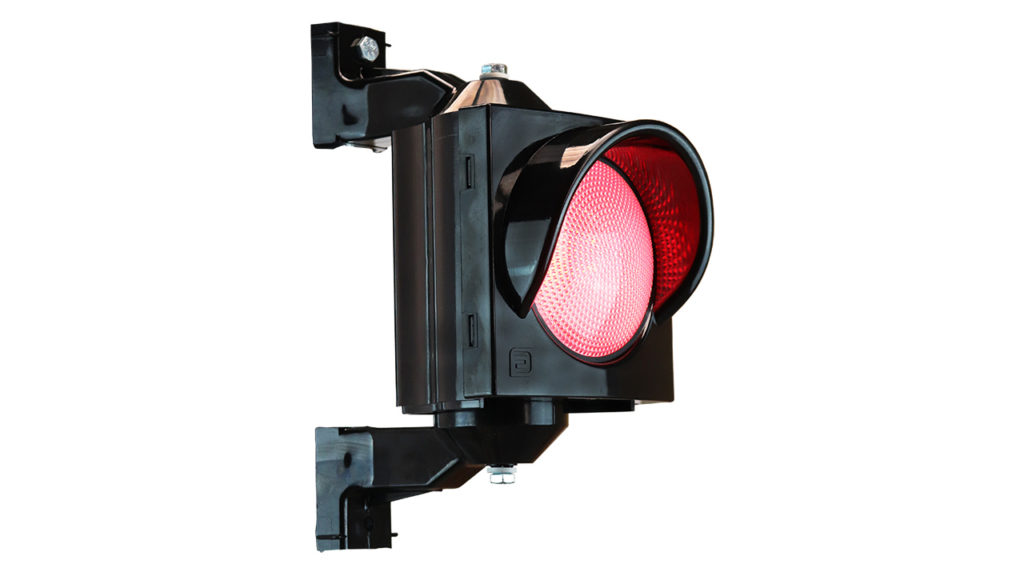
For municipalities seeking dependable traffic signal systems backed by comprehensive after-sales support, Asya Trafik offers a complete lifecycle approach. The company manufactures high-quality LED traffic signals, pedestrian signal systems, adaptive traffic controllers, lane control systems, solar-powered warning equipment, Variable Message Signs (VMS), and intelligent traffic management solutions.
Beyond manufacturing, Asya Trafik provides engineering consultancy, installation guidance, commissioning support, operator training, preventive maintenance recommendations, technical assistance, warranty services, and reliable spare parts supply. Its experienced support team works closely with municipalities to ensure traffic systems continue operating efficiently and safely throughout their service life.
With scalable solutions and responsive customer support, Asya Trafik enables municipalities to maintain reliable traffic infrastructure while preparing for future smart city developments.
Conclusion
When evaluating a traffic signal systems provider, municipalities should look beyond the initial purchase and consider the quality of long-term support. A dependable provider should offer:
- Responsive technical support
- Preventive maintenance services
- Readily available spare parts
- Comprehensive warranty coverage
- Software updates and system upgrades
- Staff training and documentation
- Long-term engineering consultation
By choosing a provider that delivers these services, municipalities can improve road safety, reduce maintenance costs, and extend the lifespan of their traffic management infrastructure. With its strong commitment to quality, innovation, and customer service, Asya Trafik is a trusted partner for municipalities investing in reliable and future-ready traffic signal systems.